

There I have a really nice example of a proper retro Seiko from December 1973. This one I won in an auction at the end of 2023. It has that amazing Seiko facet crystal that I always desire when I see them. This one was with hardly a mark on it too as often they can be badly scratched. Replacements can be found although they are getting rarer and more and more expensive.

On arrival its was clear that externally this one needed little work other than a good clean. The movement on the other hand was badly needing a service. I also noticed that the date would not change on normal 24 hour operation so this would also need investigation. I love the 6106 movement as its pretty much the same as the 6119 only with a hacking lever. My first watch I ever serviced was a 6119 so I am always fond of any variety of this movement.
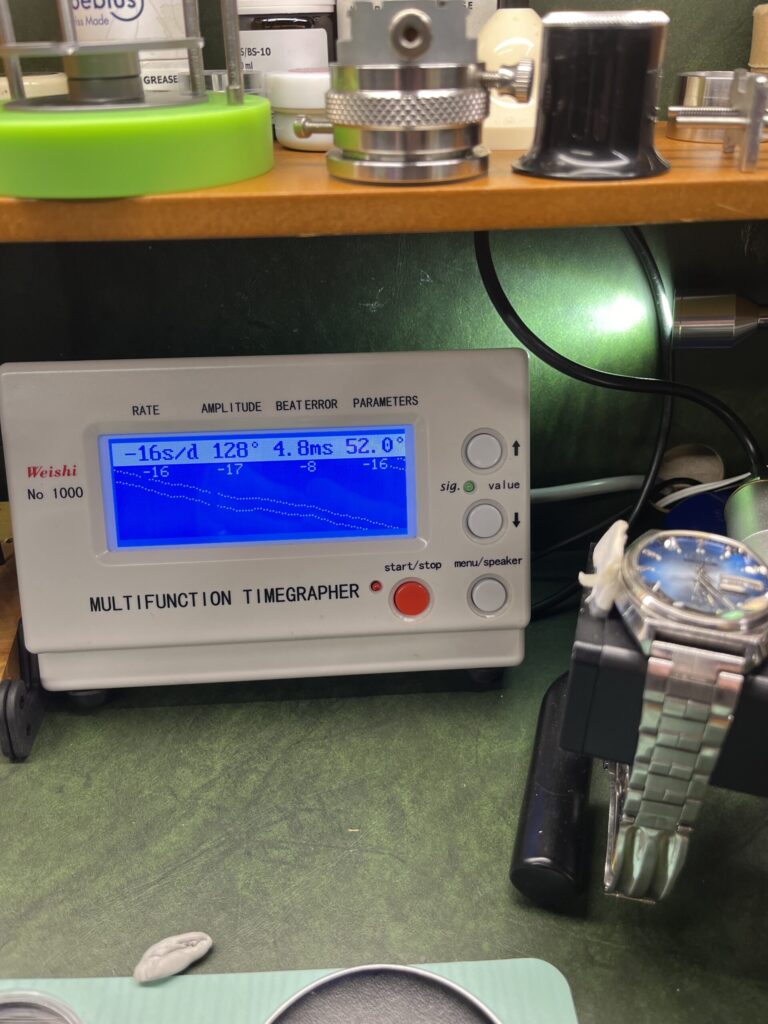
You can see here that the timegraper results show a slow rate, very poor beat error and appalling amplitude that should all be just down to old oil gumming up the wheels and causing more friction and drag to slow it all down.
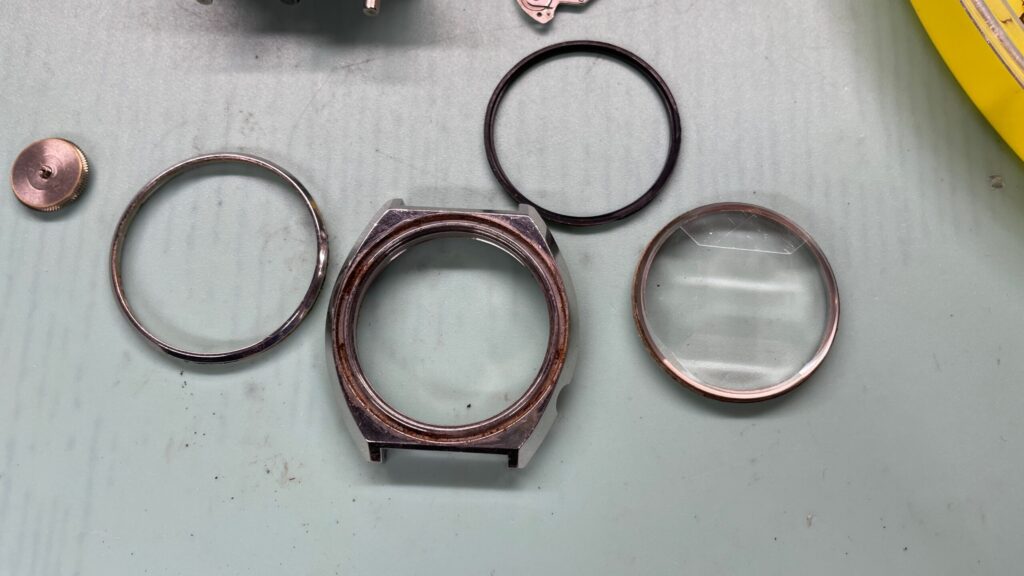
Here are some strip-down photos.

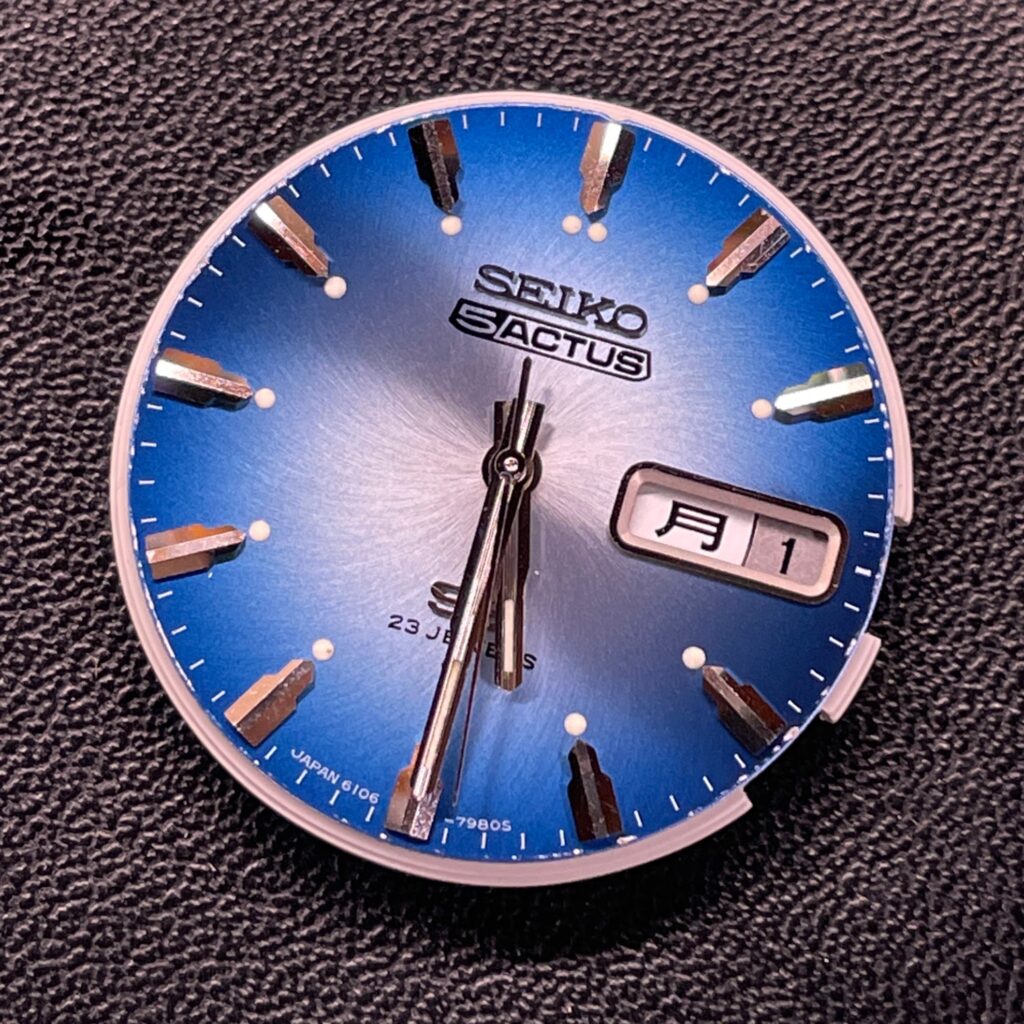

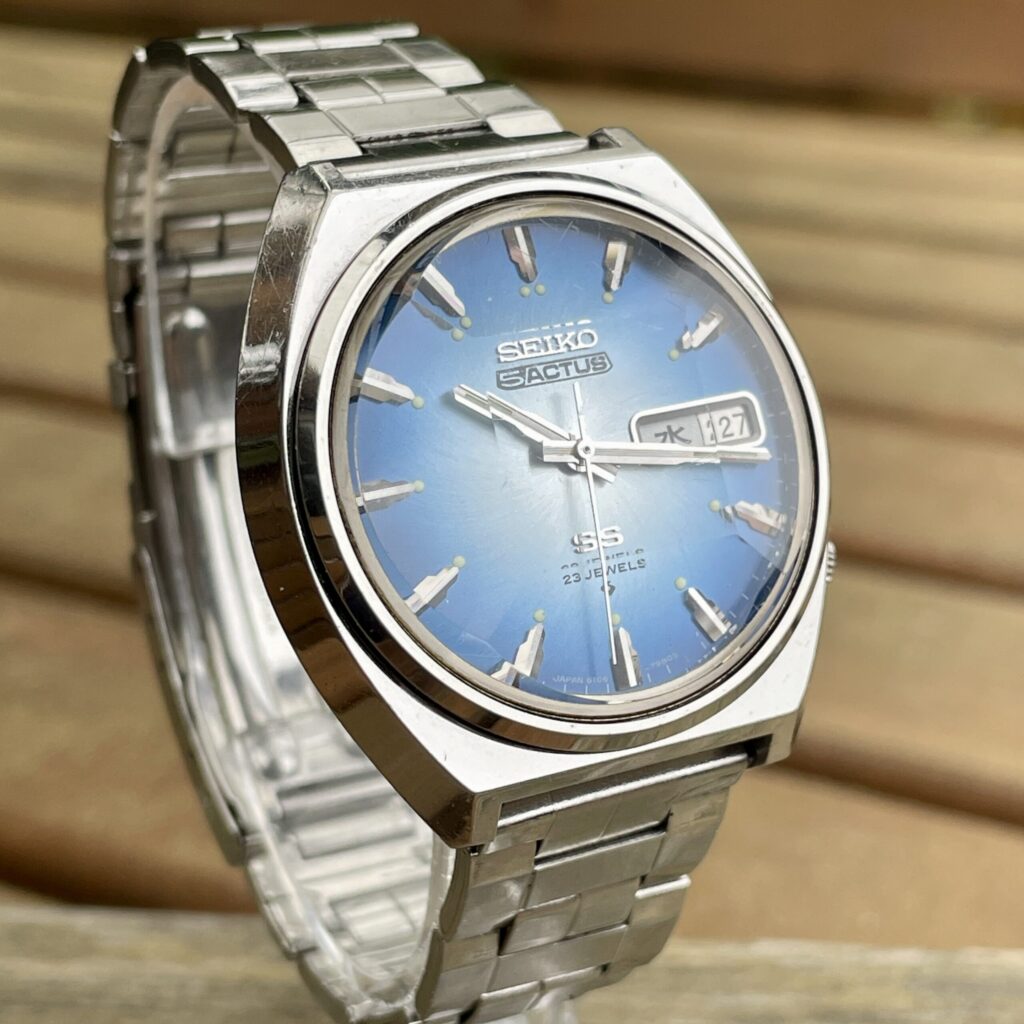
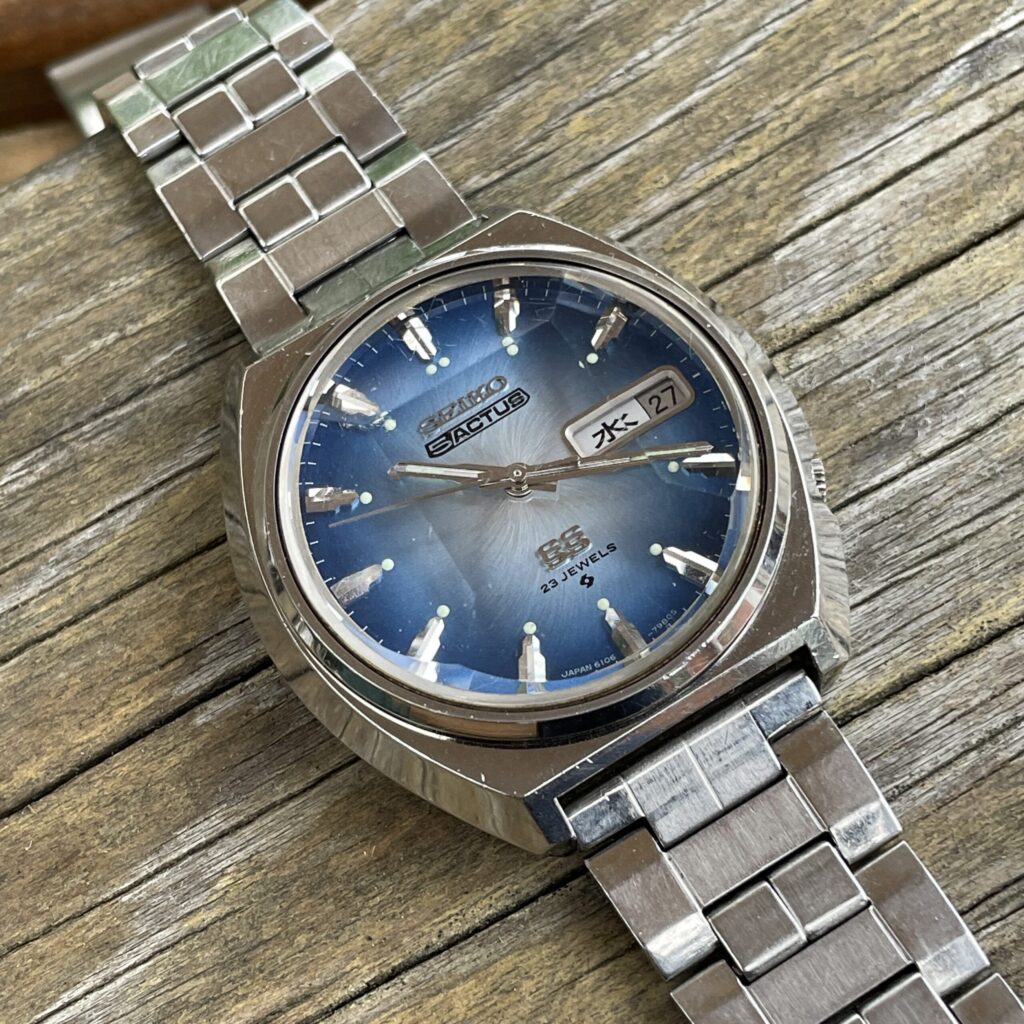
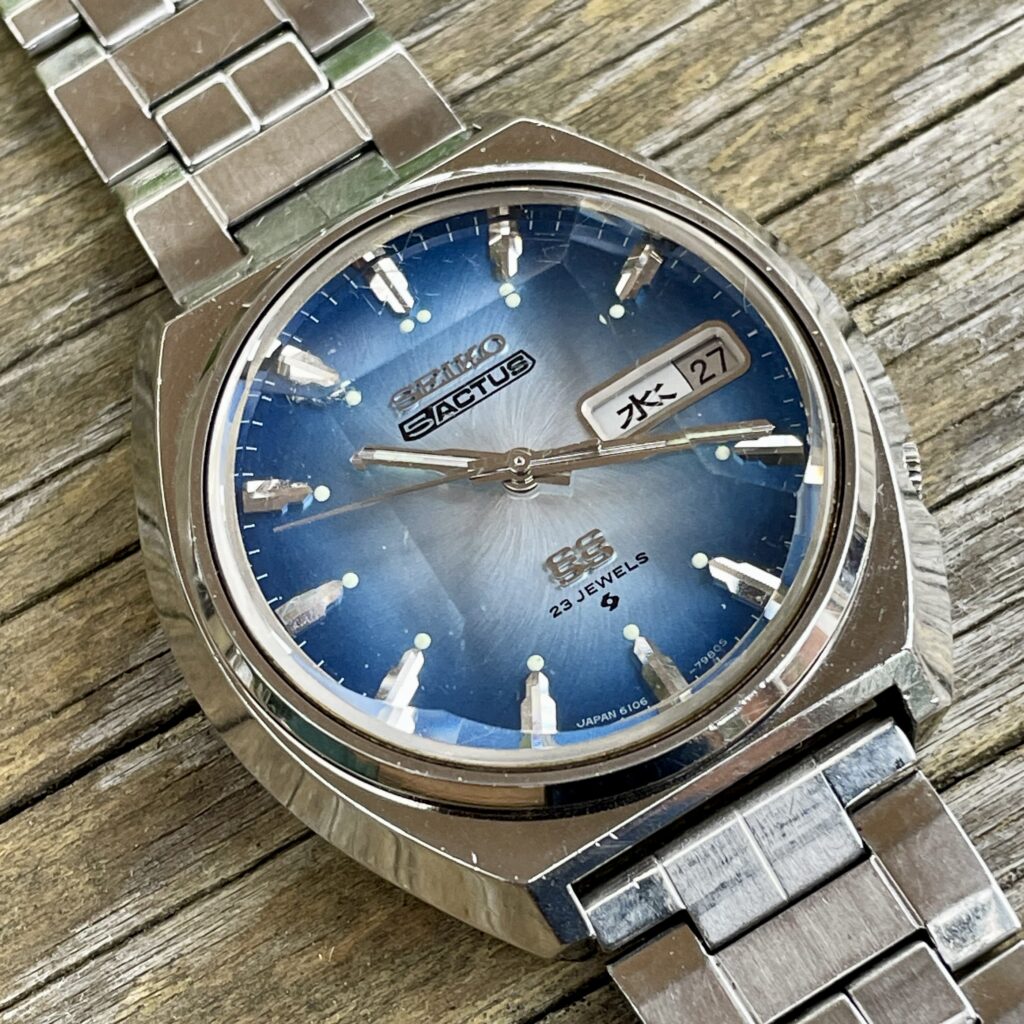
Just look at this dial! This is why I love 70s Seiko. The 5Actus SS range in particular. I think the SS were just higher end models of the Seiko Actus that often used a higher jewelled movement.
This is a fabulous blueburst dial that has a twist effect going on. This one for 50 years old has stud up really well, the lume dots are still very white despite loosing nearly all of their luminosity. Even the indices on this one are stunning with polished facets and interesting shapes. What it not to like?


Here’s the culprits for the date not working!

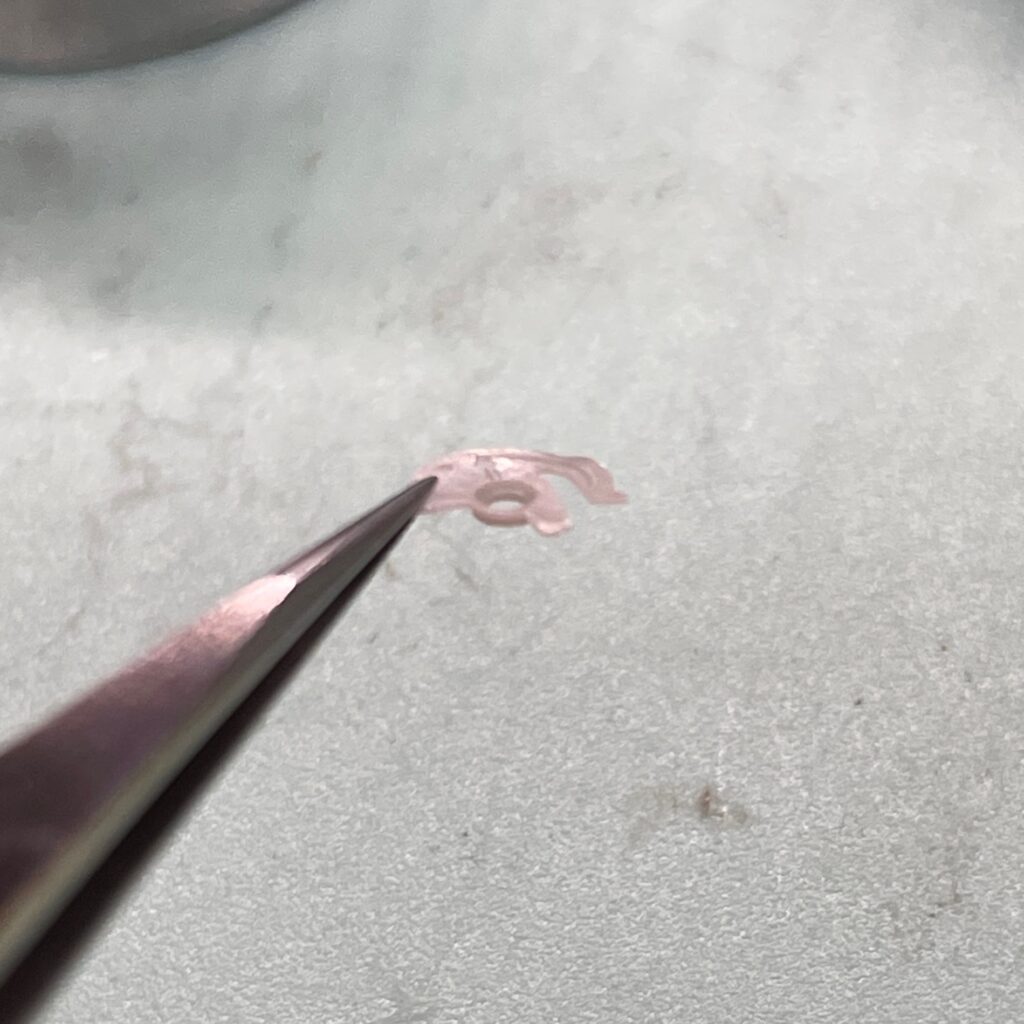
the only plastic (nylon) parts in the whole movement. These are a typical failure and can be caused usually by the owner. A watch would normally stop under a jam and it would not have the power to chew the plastic gear like that. What I believe has happened here is the owner felt a jam and carried on turning the crown to push through the resistance. The watch was still running but the day and date change would not happen at 12 and from observation the watch would stop too. Fortunately I have plenty of spares and some metal wheels for the small wheel with the teeth.
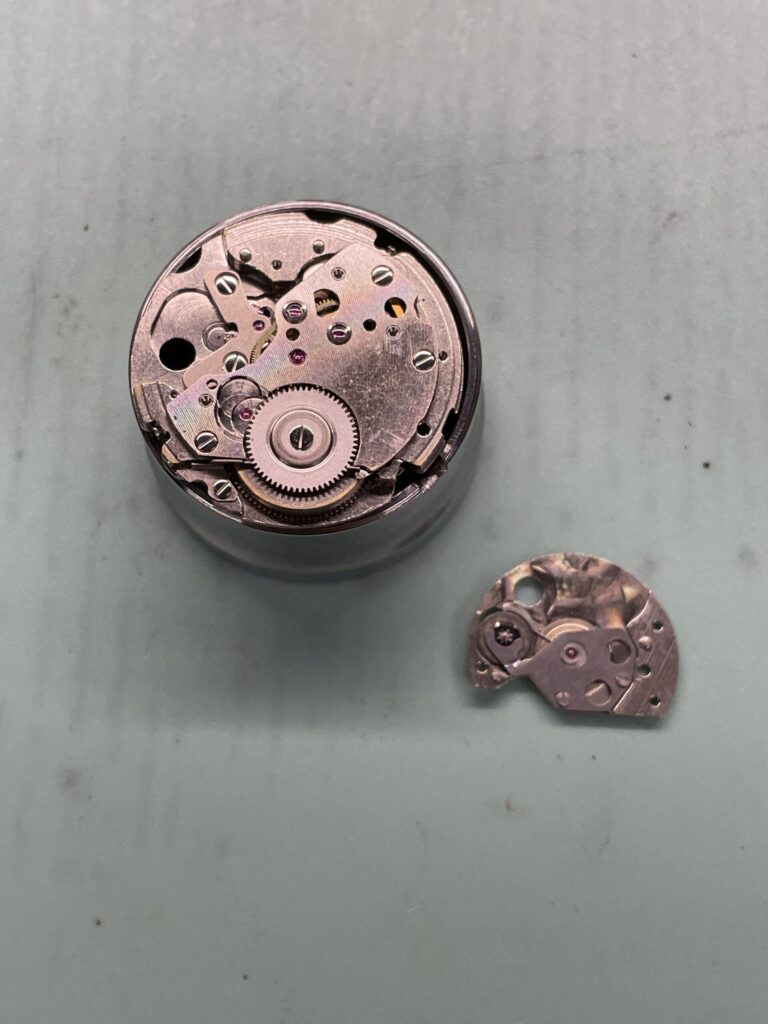
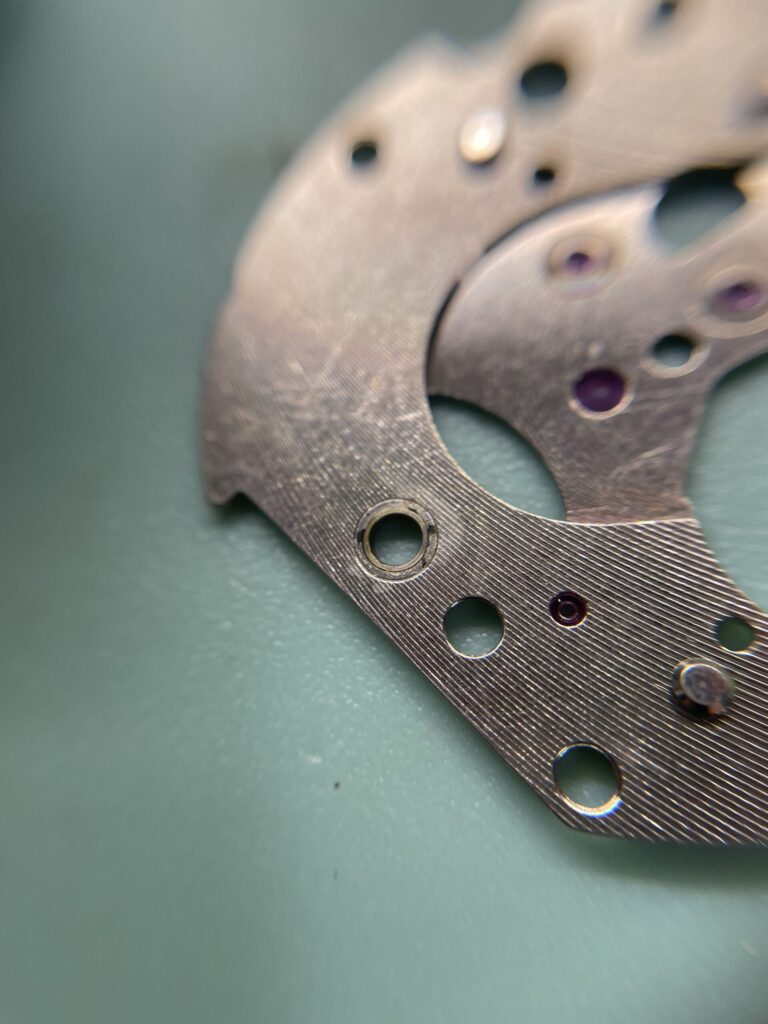
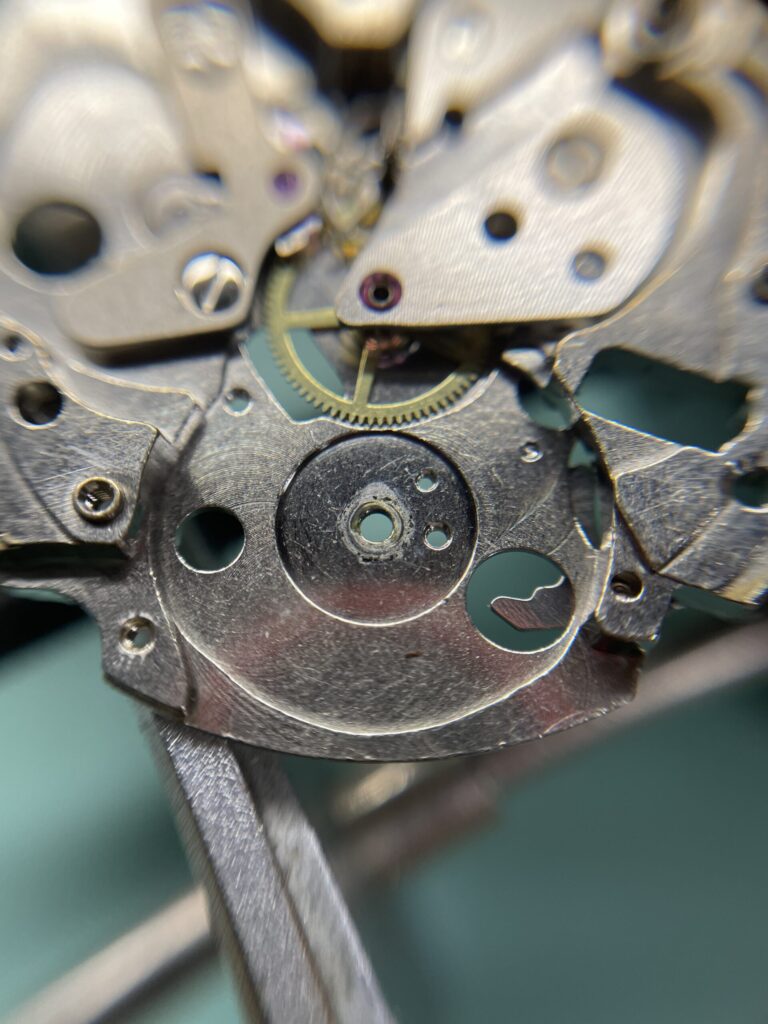

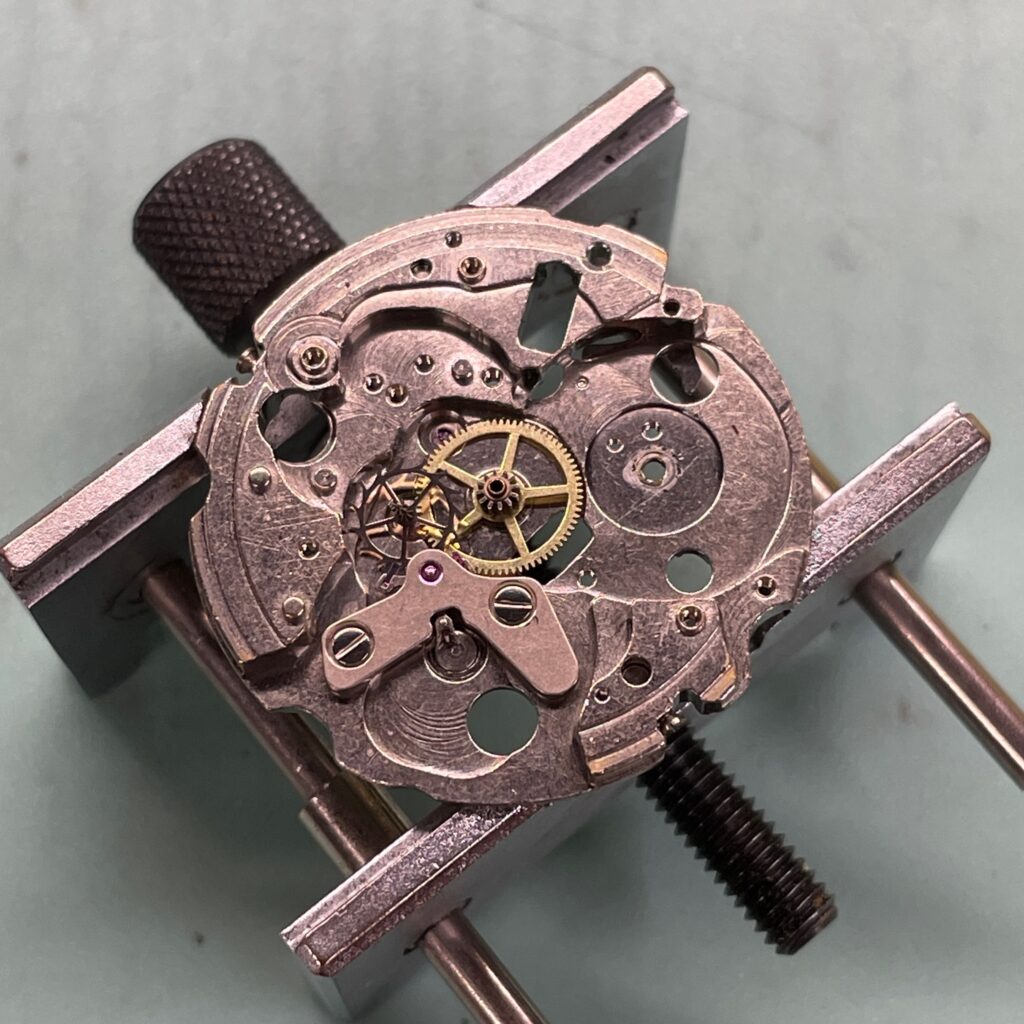
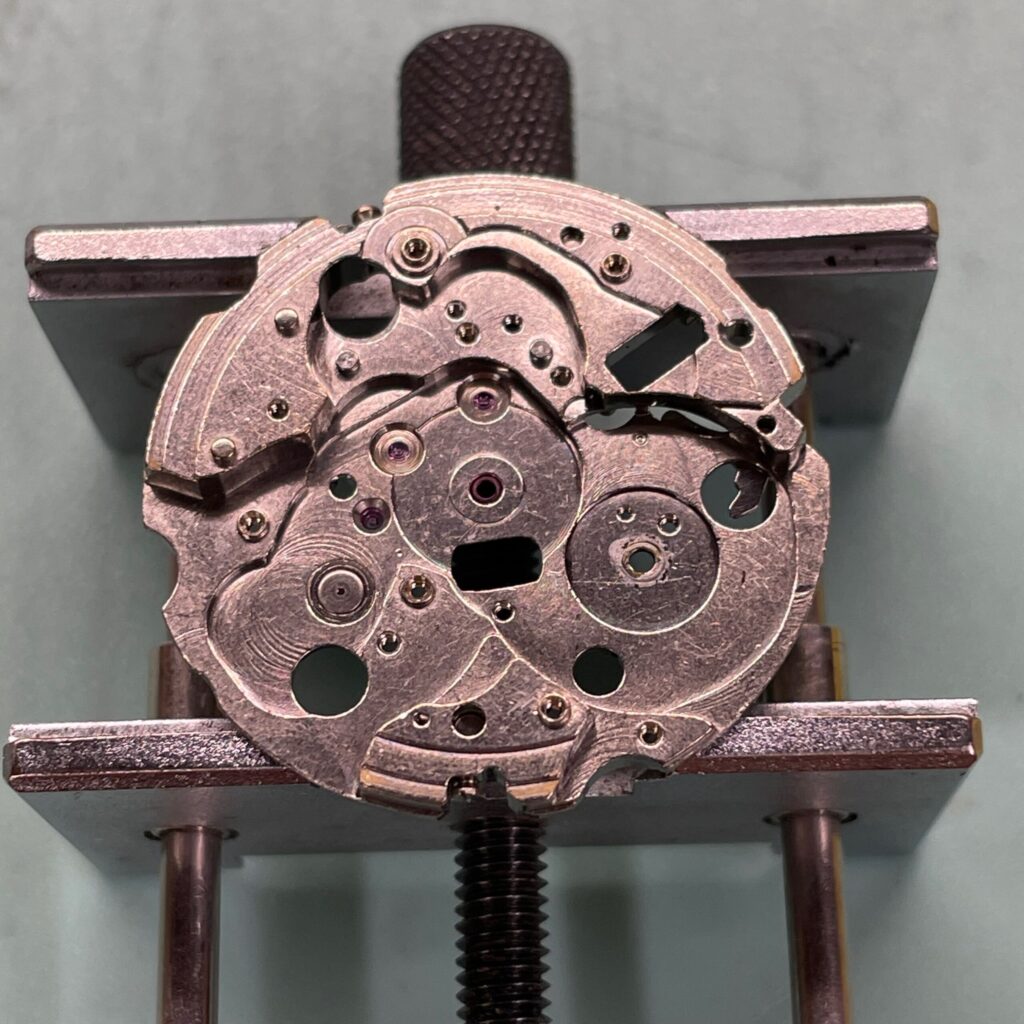
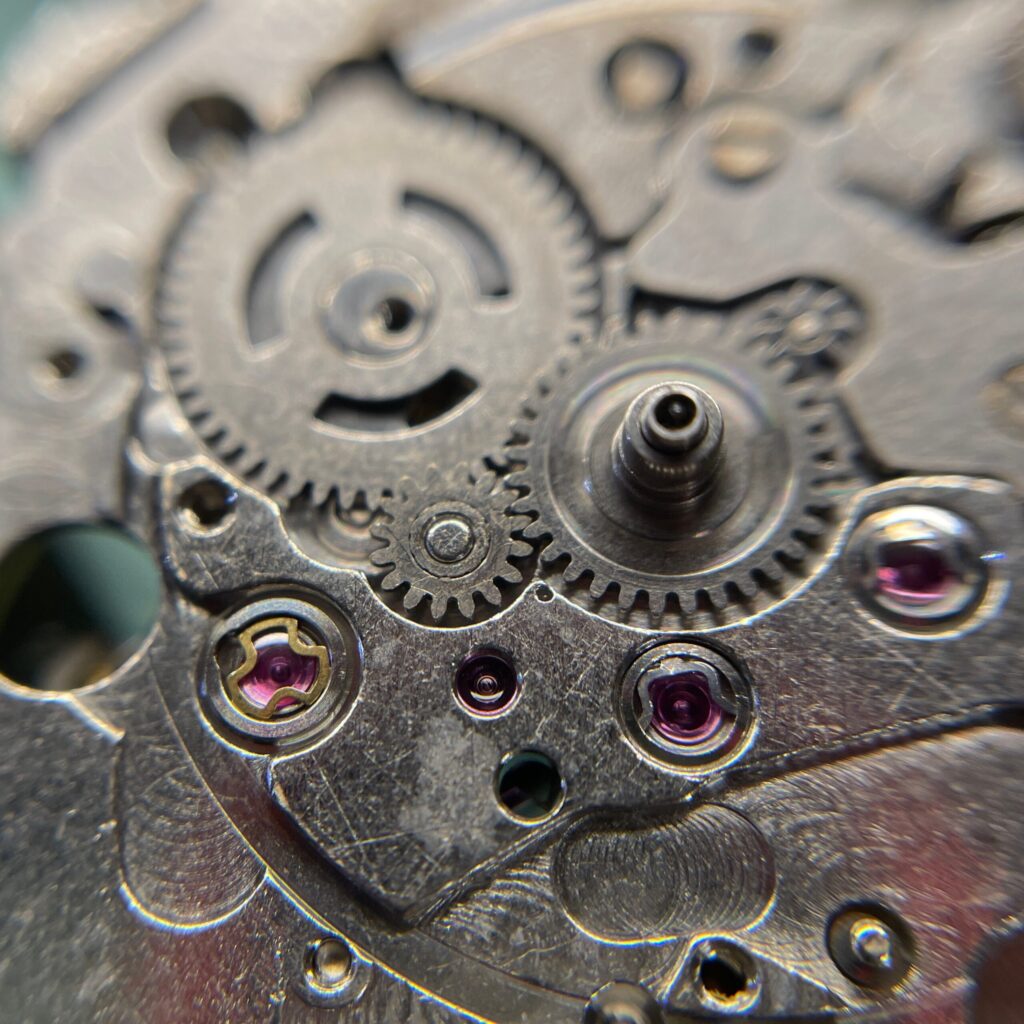
In this photo (above) you can see the small intermediate wheel as been replaced with a steel one. I find the steel ones in some 6119 versions, I think older dated ones. When I find them in donor watches I horde them for projects like this.
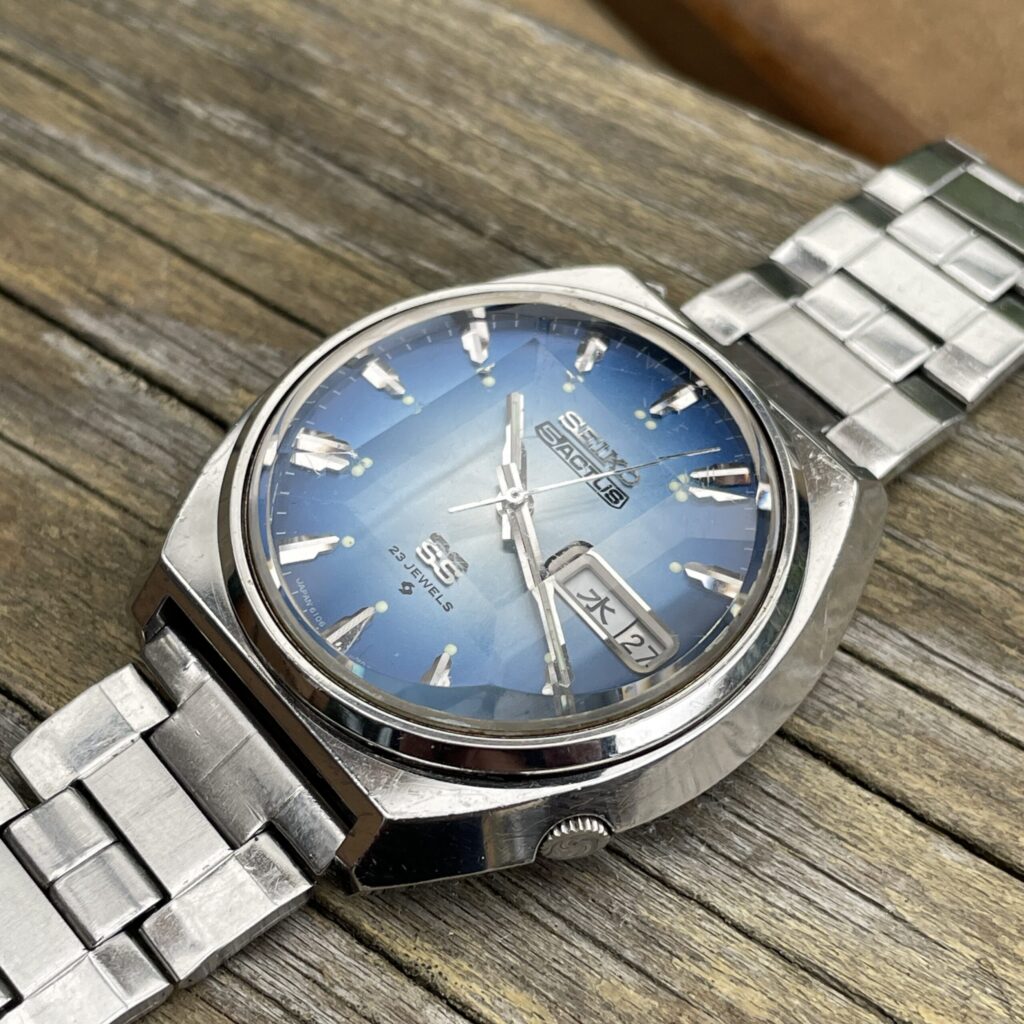
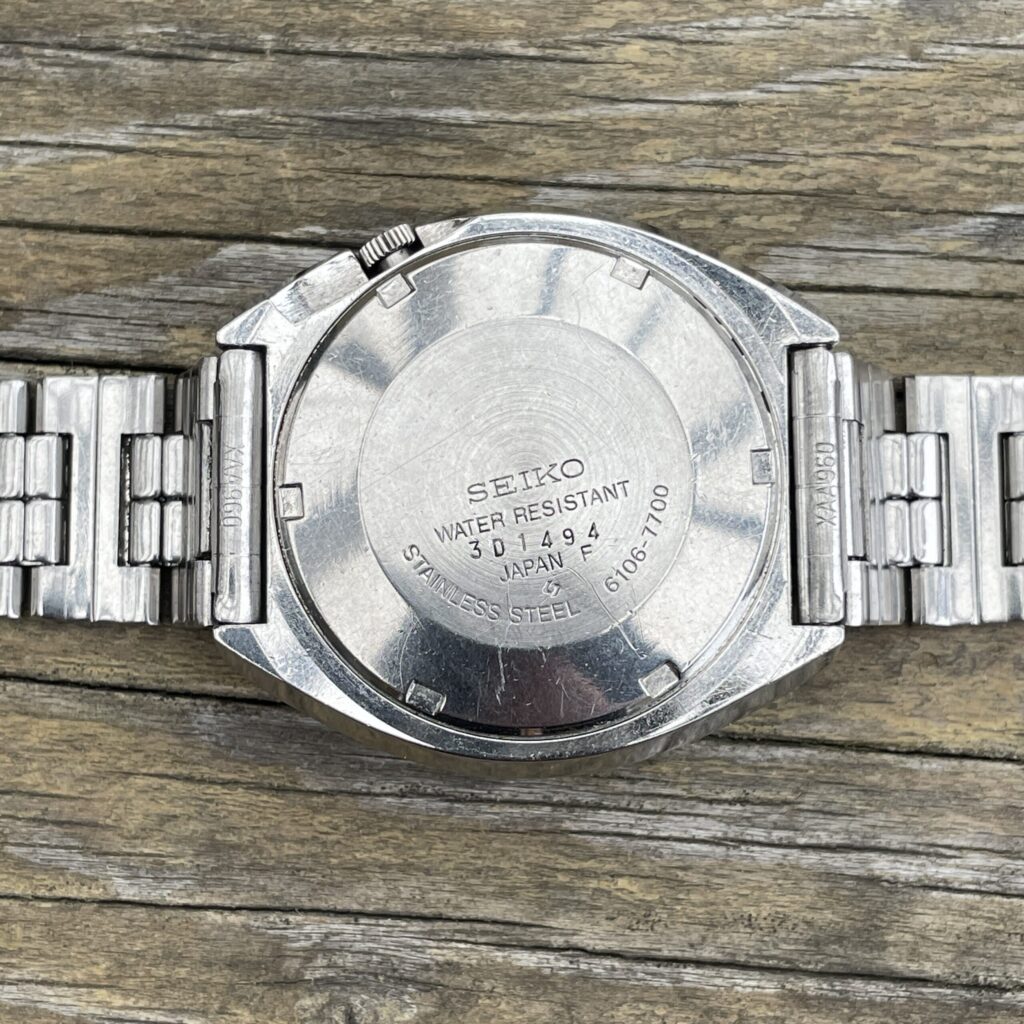
Now its time to see the watch in all its finished glory! thanks for reading this short blog on this wonderful Seiko 6106-7700







All Comments